Exploring Ethical & Social Considerations in Instructional Design
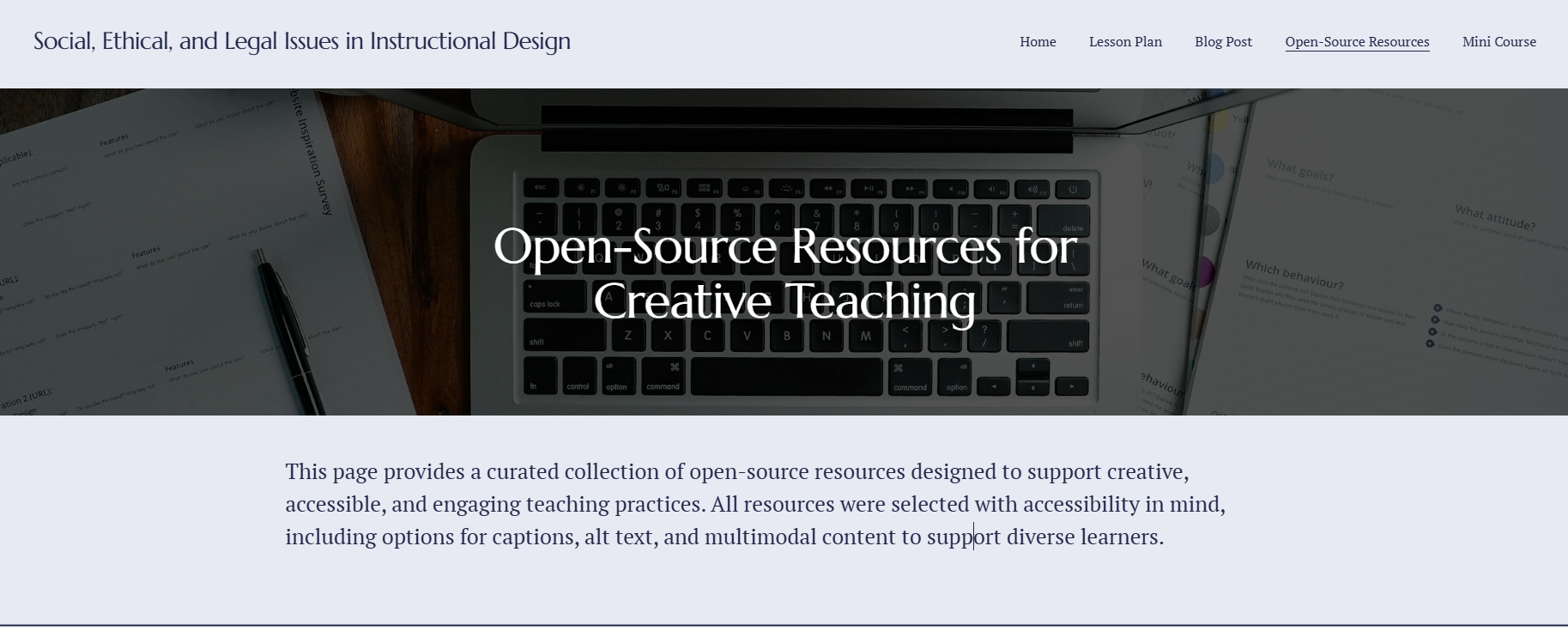
For my course project, I was tasked with creating a website focused on Social, Ethical, and Legal Issues in Instructional Design. I chose to develop a resource that explores accessibility, ethical integration of technology, digital equity, AI literacy, and inclusive instructional design practices. The goal of the project was to demonstrate how instructional designers can create learning experiences that are not only engaging and effective, but also accessible, ethical, and learner-centered.
Tools Used
Canva, Squarespace, Interact
Time Spent
This was developed over the span of 10 weeks. I spent roughly 2 hours per week.
Project Overview
For this course project, I developed a website focused on Social, Ethical, and Legal Issues in Instructional Design. The purpose of the project was to explore how instructional designers can create learning experiences that are not only engaging and effective, but also ethical, accessible, inclusive, and legally compliant. Throughout the course, I expanded the website by building multiple pages and learning activities related to accessibility, digital equity, AI ethics, copyright and privacy considerations, and inclusive instructional design practices.
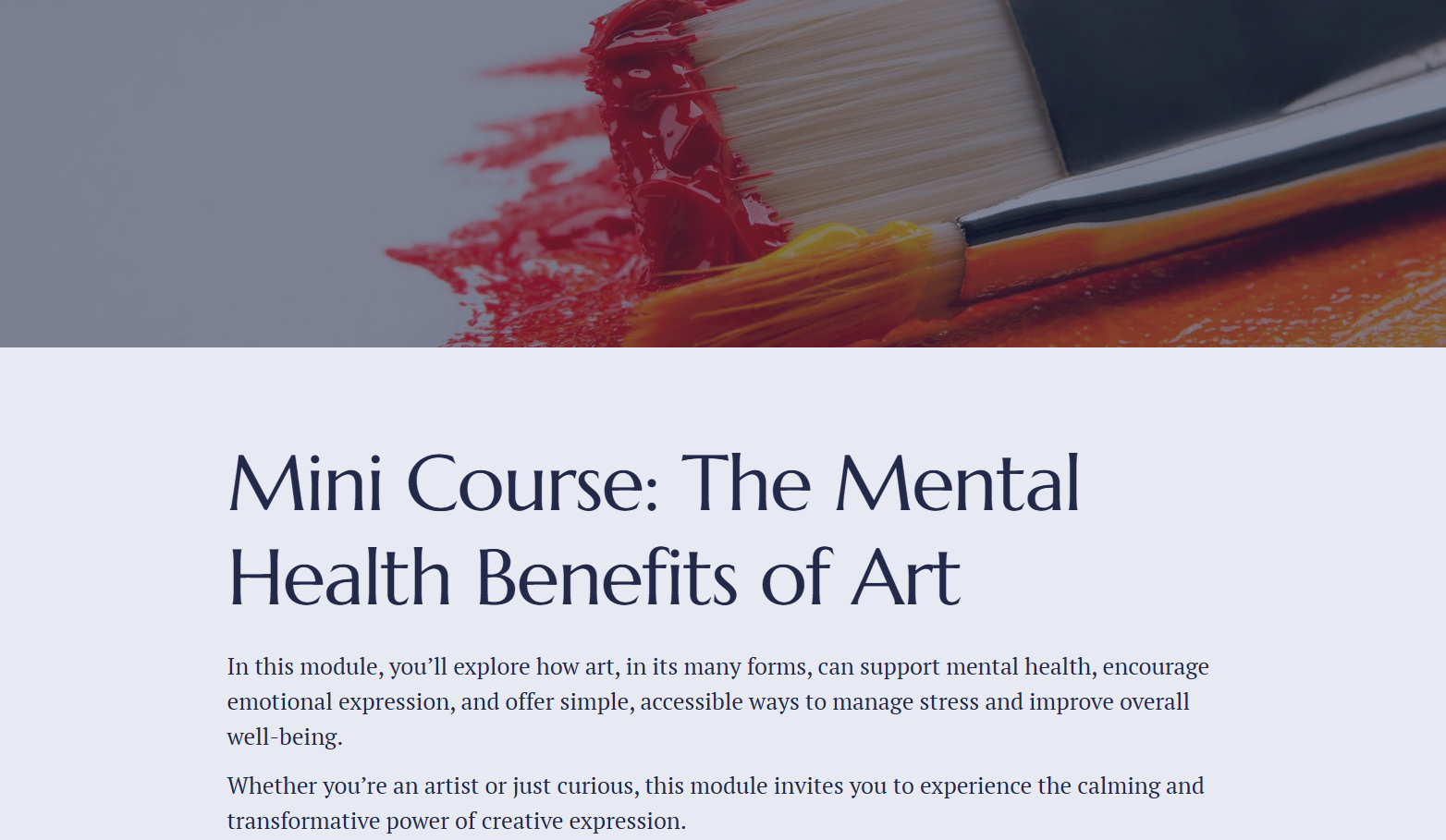
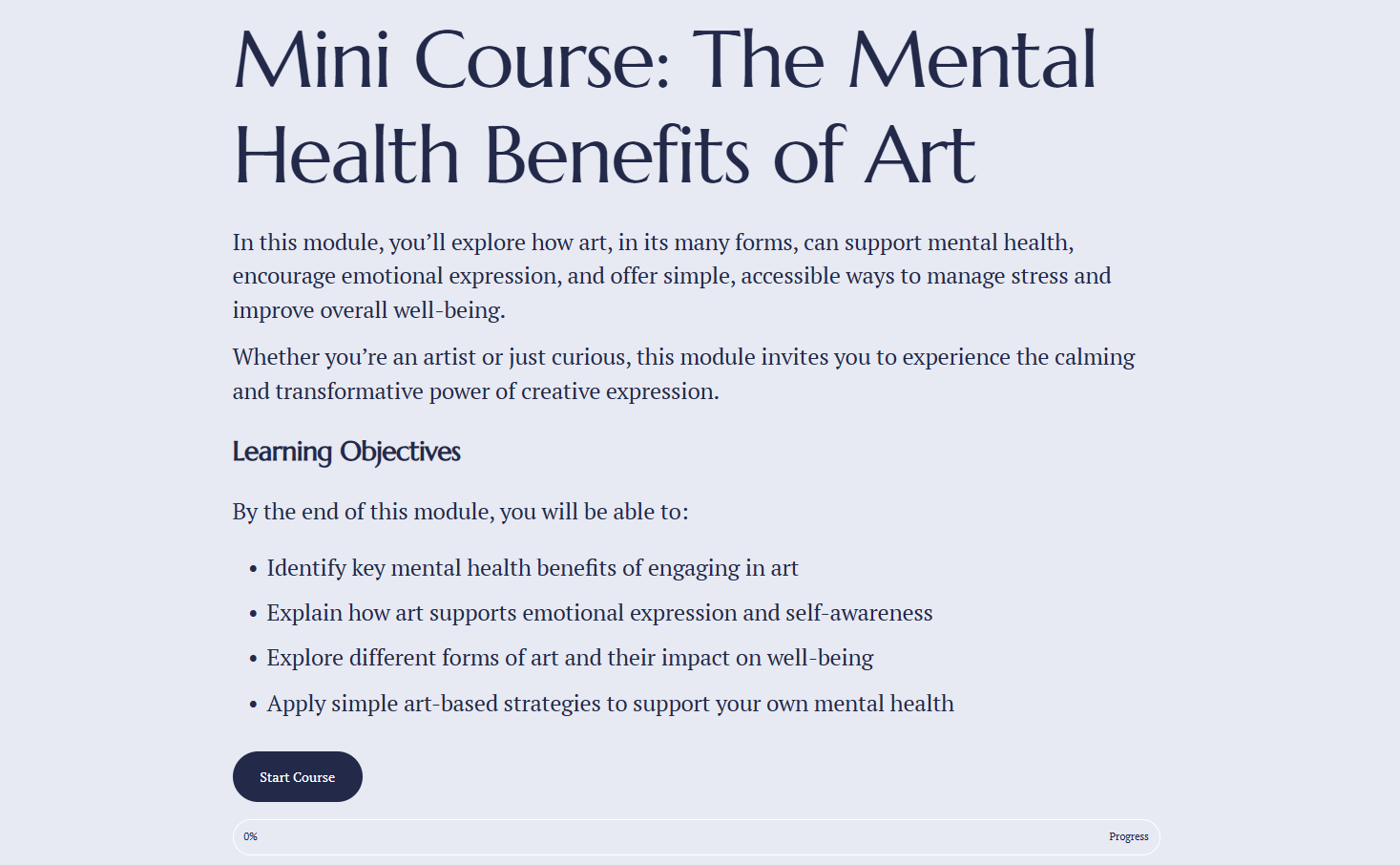
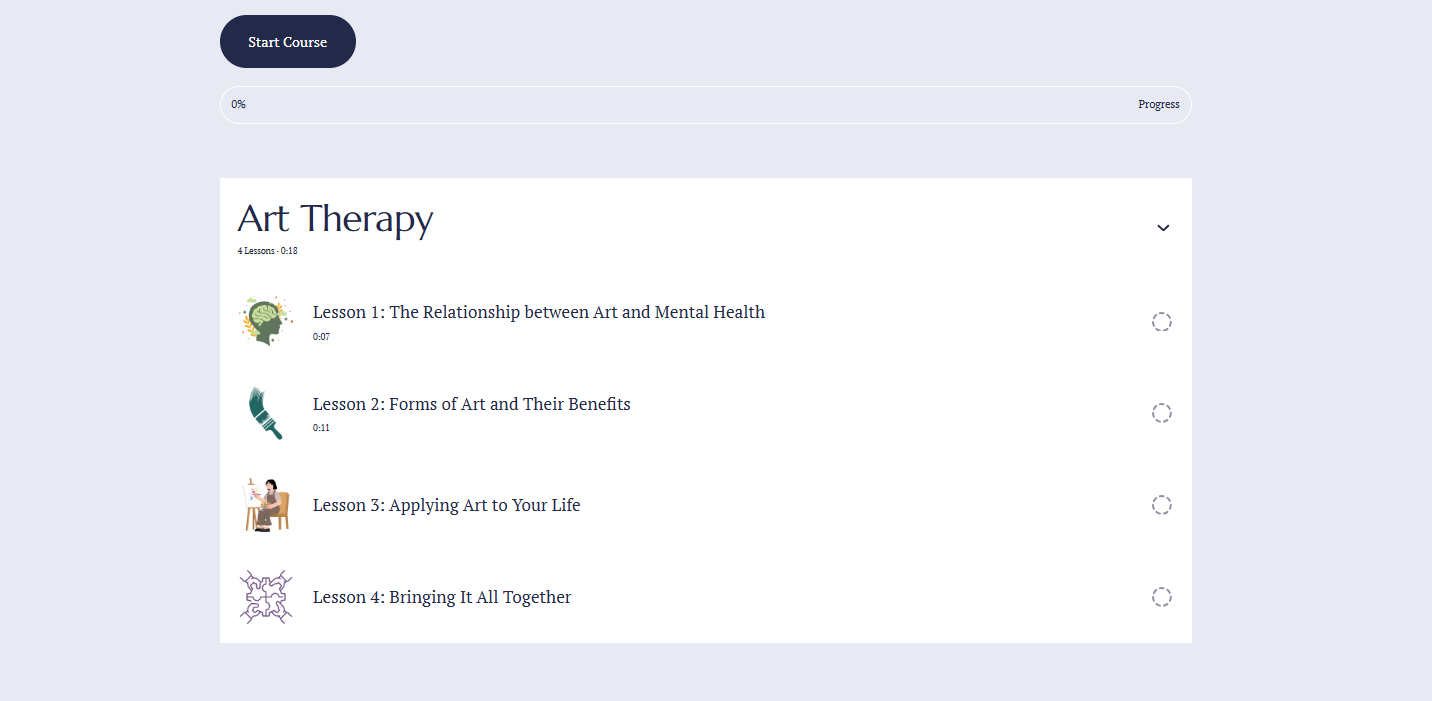
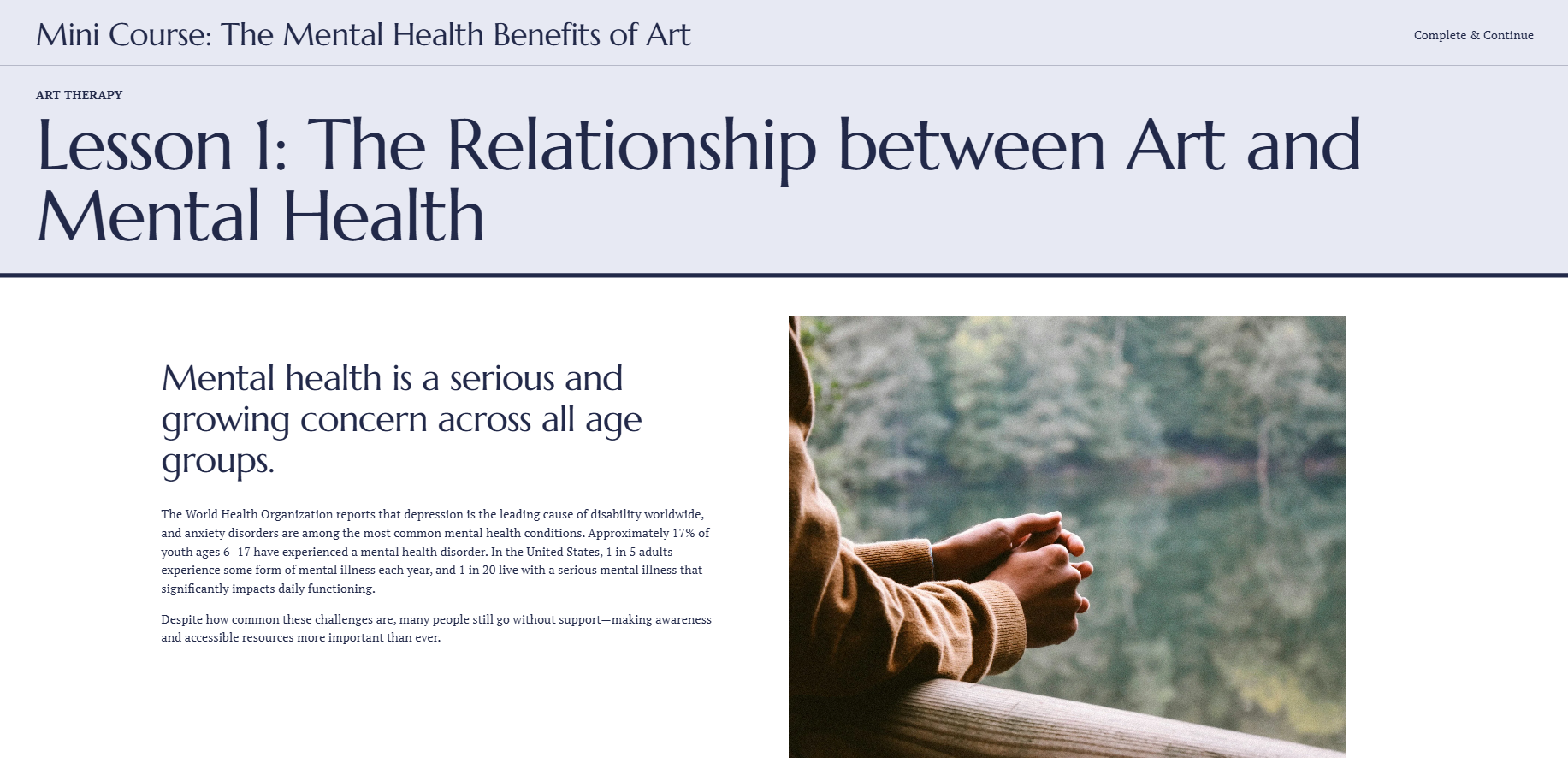
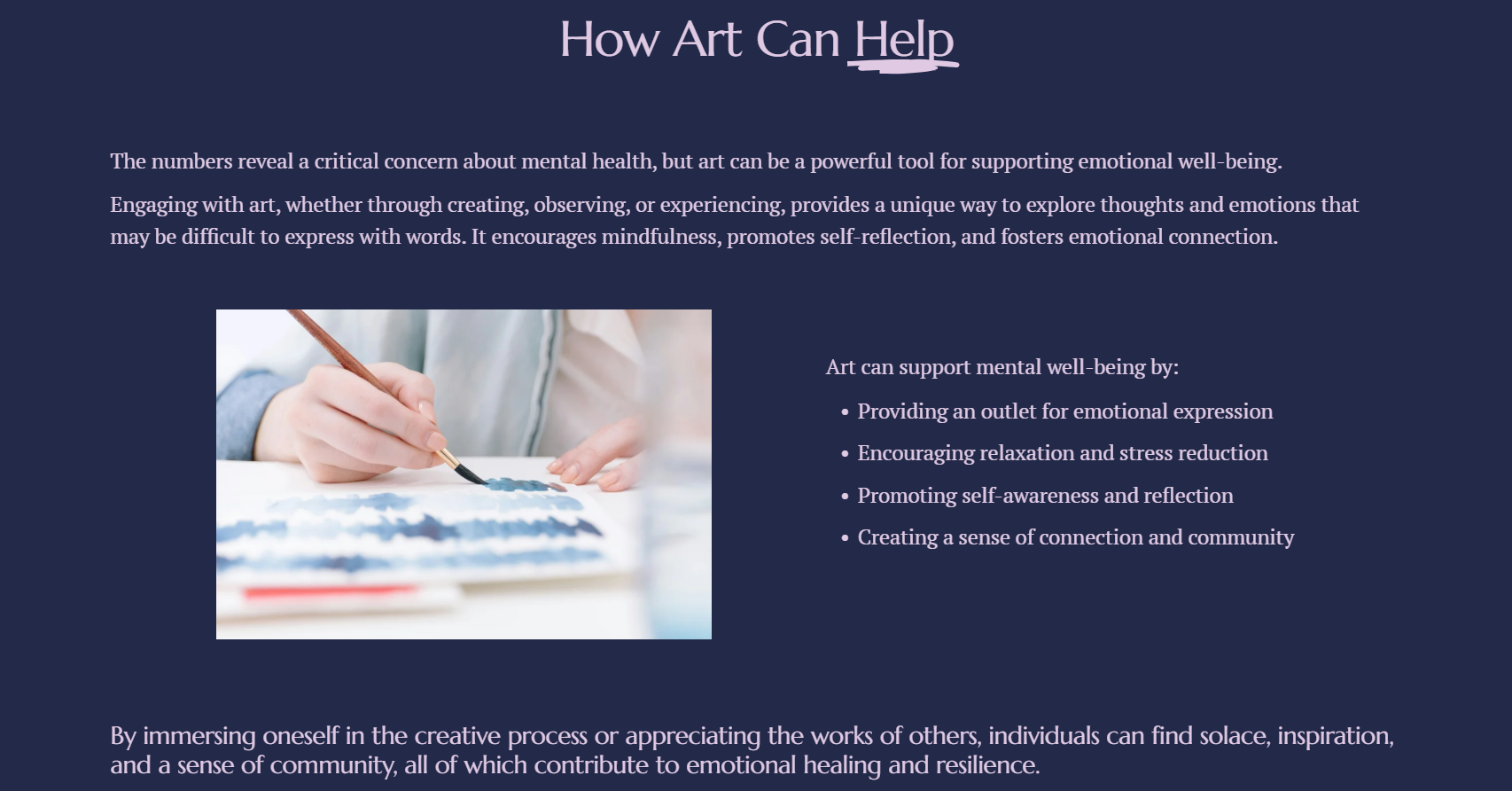
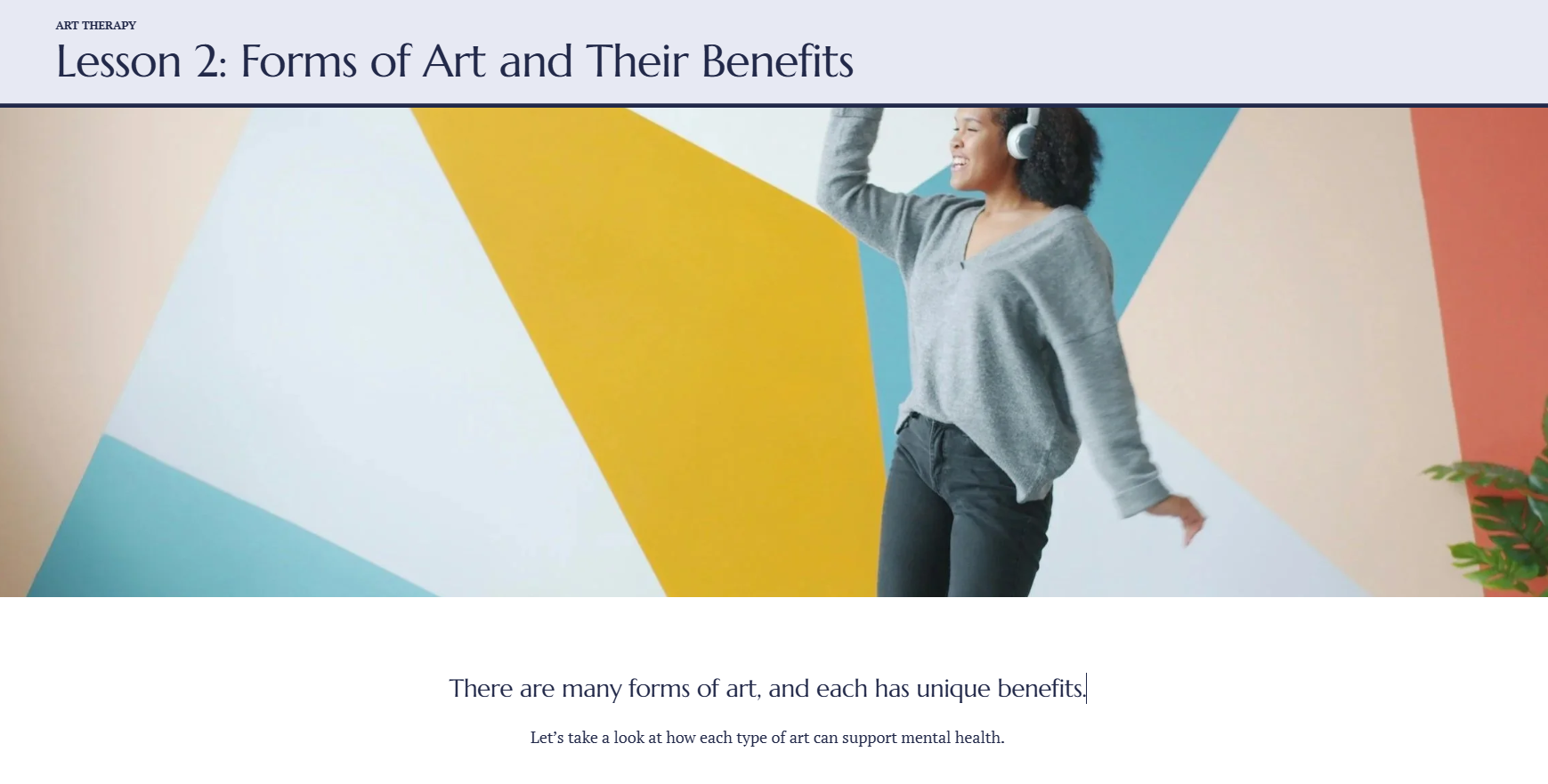
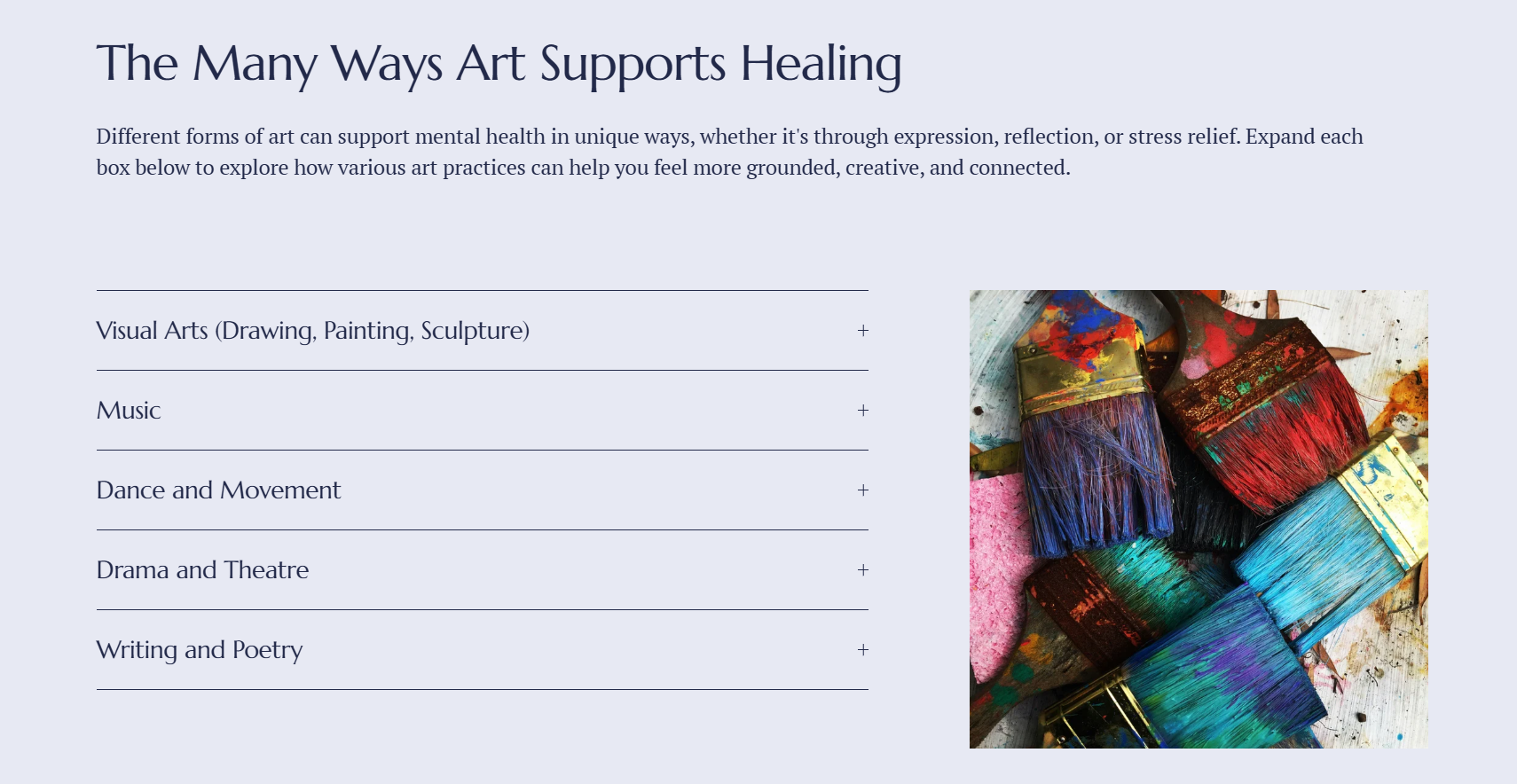
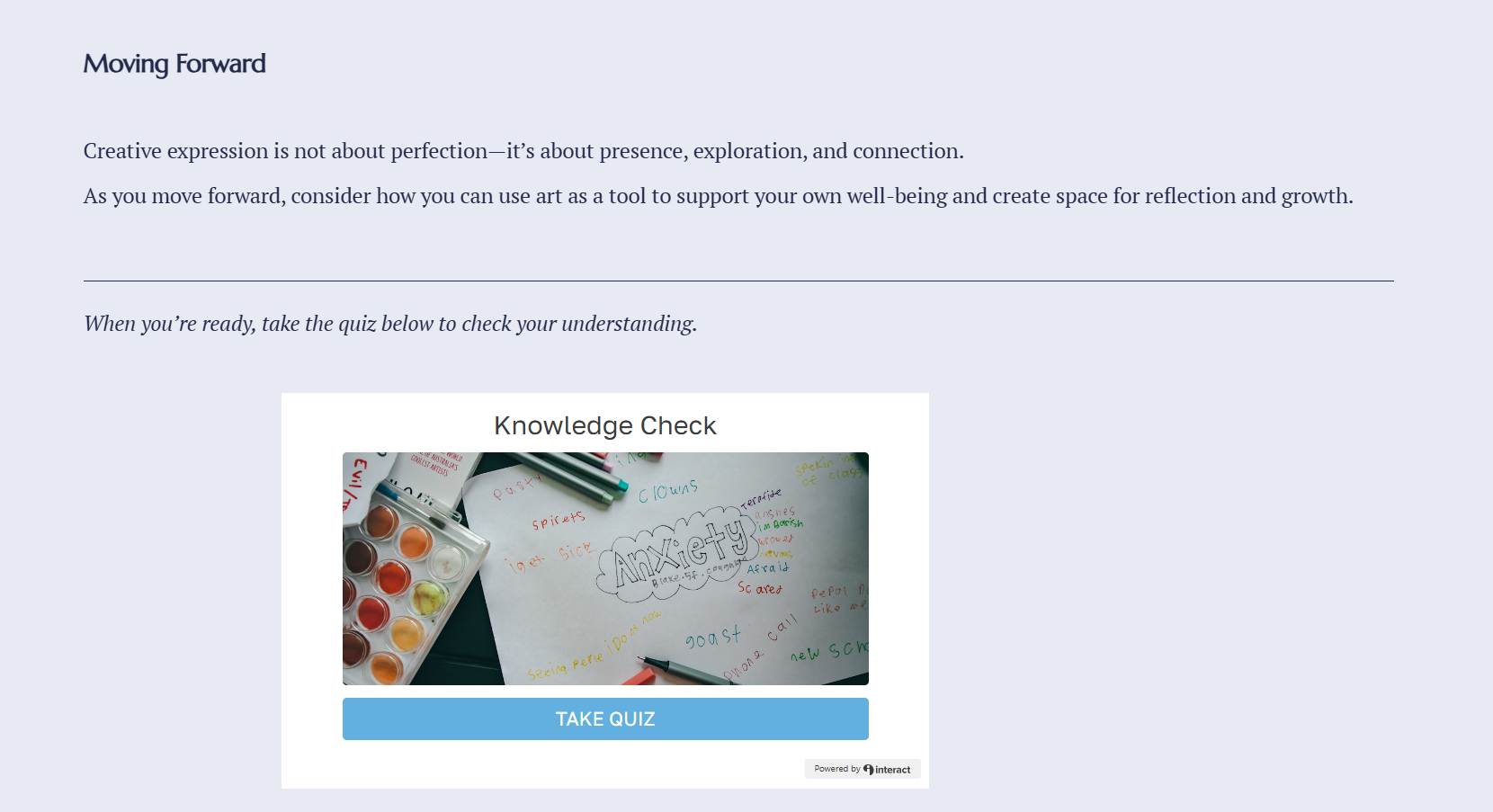
One major component of the project was the development of an accessible mini-course module titled The Mental Health Benefits of Art, which explored the connection between art and mental health. The module incorporated accessibility and Universal Design for Learning (UDL) principles through features such as structured layouts, accessible formatting, alternative text, captions, and learner-friendly navigation. I also designed a 20-question quiz that assessed learners’ understanding through a mix of knowledge-based and application-focused questions.
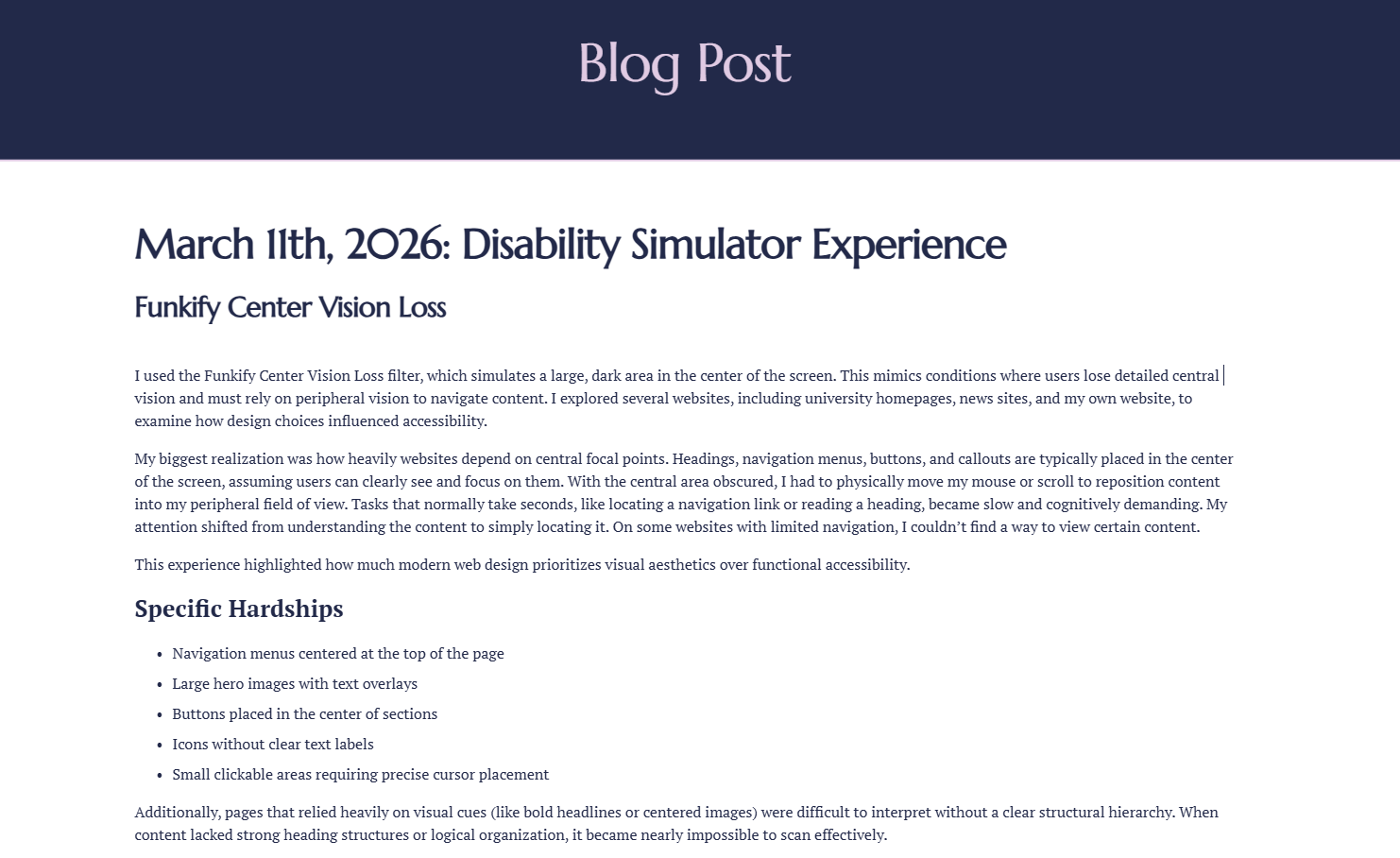
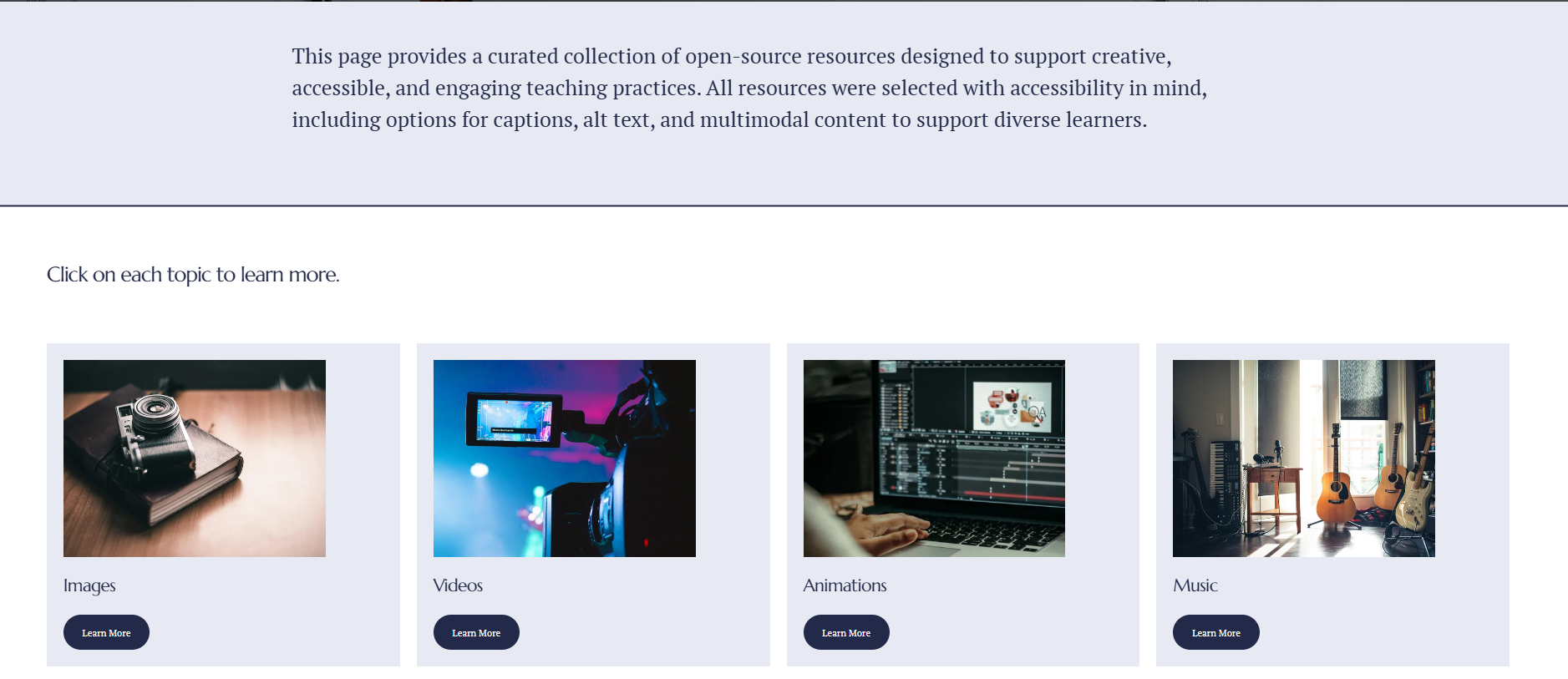
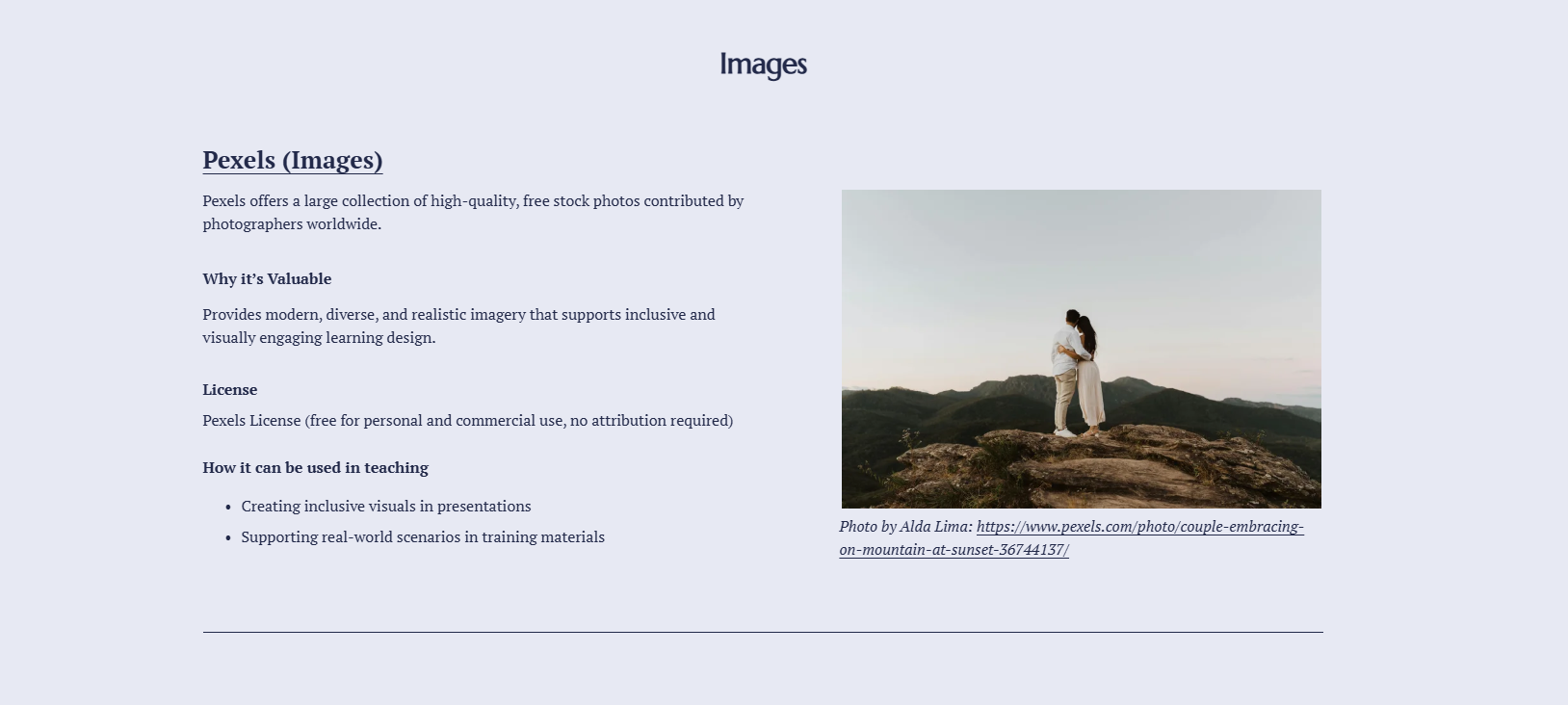
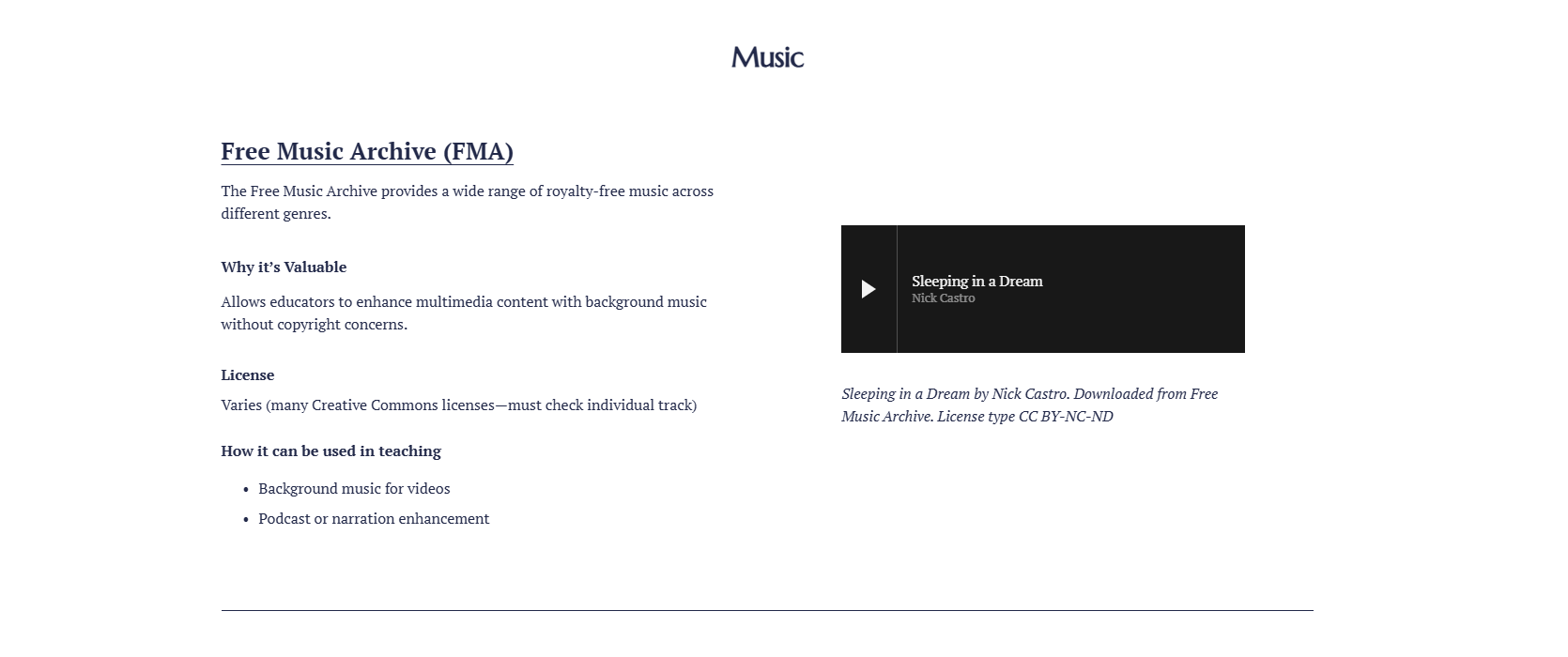
In addition to the mini module, the website included curated open educational resources, discussions of accessibility standards such as WCAG and ADA compliance, and reflections on ethical technology integration and AI literacy. The project required me to think critically about how instructional designers influence learner experiences through both design decisions and technology choices.
Throughout the project, I focused heavily on accessibility, usability, and learner-centered design. Building the website strengthened my understanding of how ethical, social, and legal considerations directly impact instructional design practice. It also allowed me to combine visual design, instructional strategy, accessibility principles, and emerging technology topics into a cohesive portfolio project that reflects both my professional interests and instructional design approach.
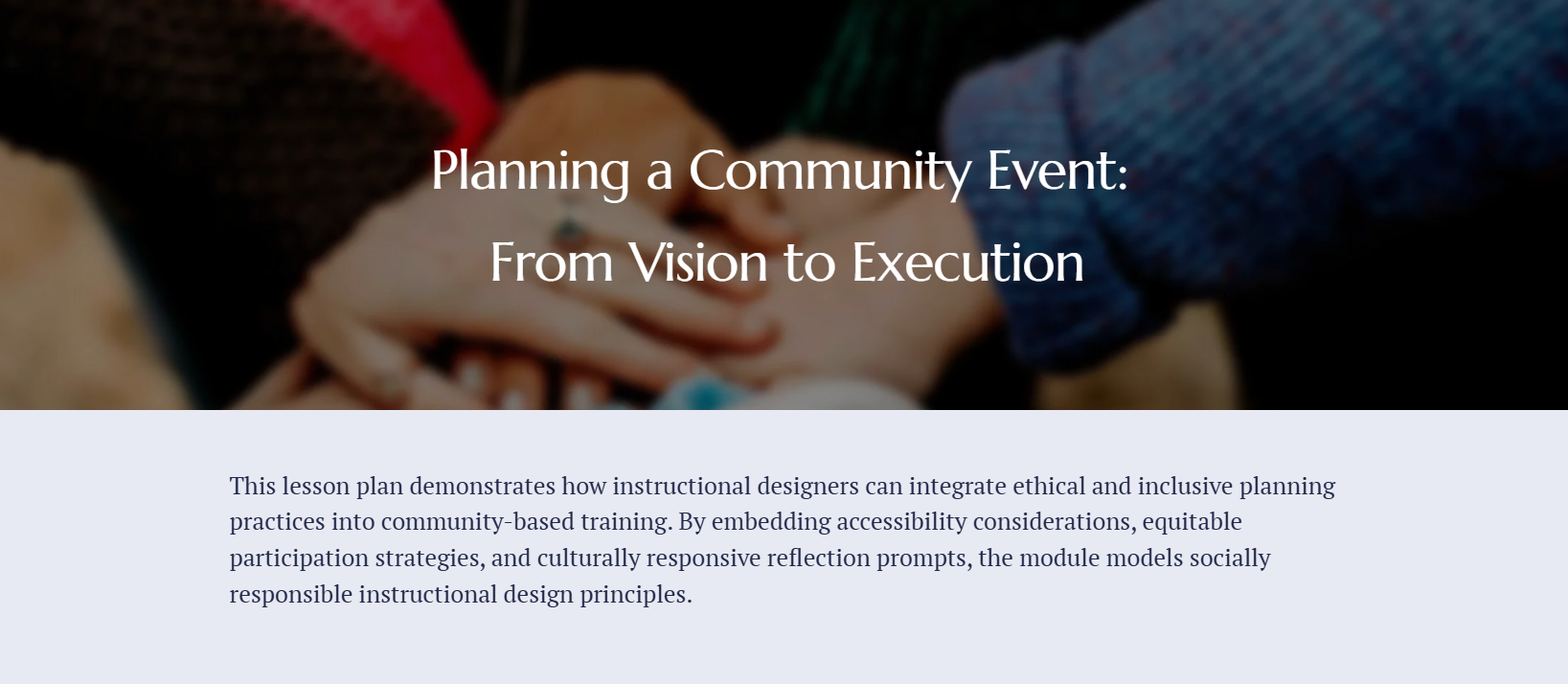
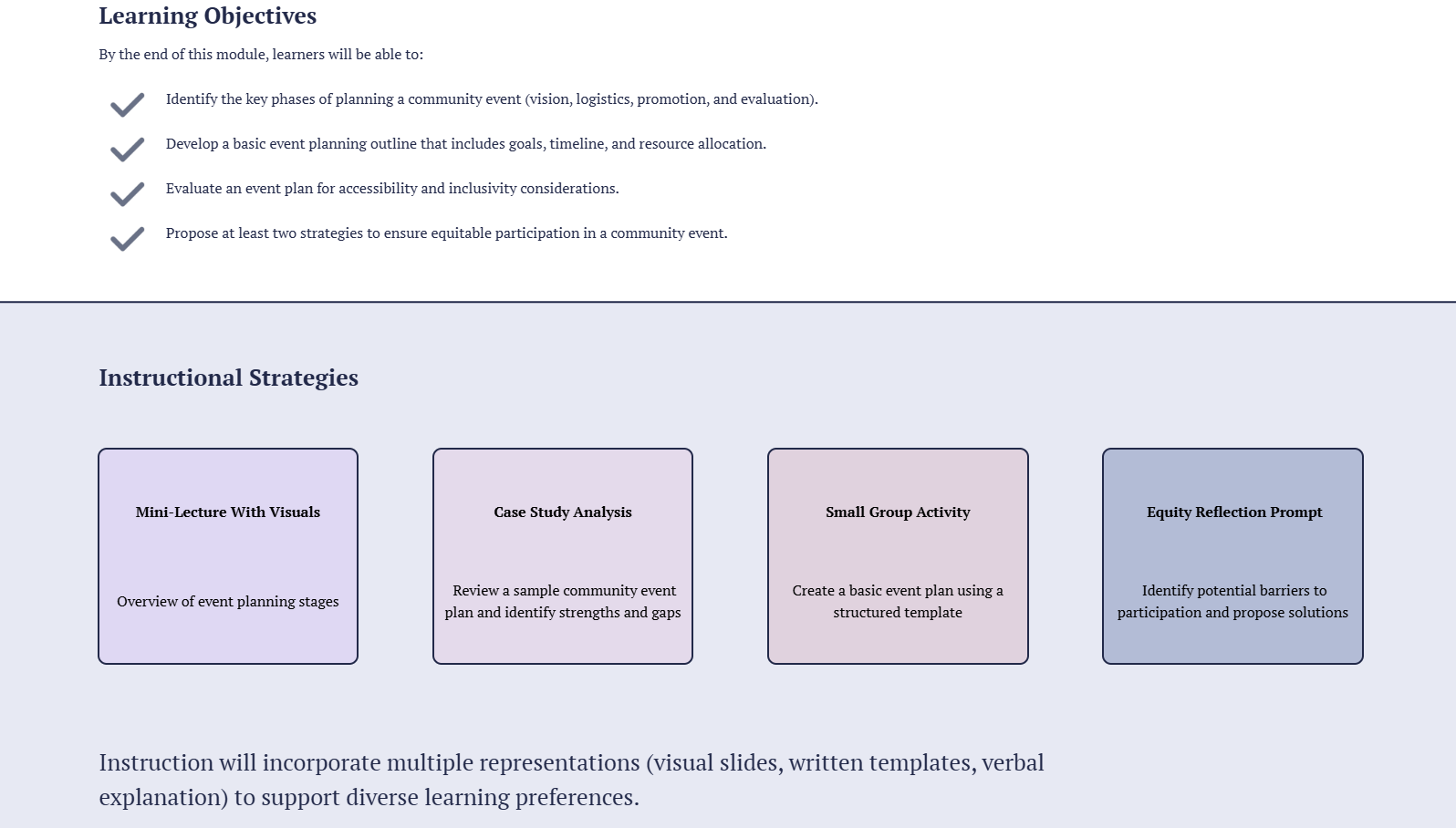
See some of the pages from the website below!